
Time, Change, and Return
The DispossessedThe novel’s temporal philosophy develops through images of sequence, cycles, promises, memory, and journeys that return without restoring the past.
increasing Bearing strength in each event
 decreasing
Bearing strength in each eventdecreasingNumbers Beneath Words

Seeking a Deeper Order
The square of numbers
After the director interrupts his rock question, Shevek turns to a numerical square whose rows balance. Numbers seem to offer a justice that spoken judgments lack.
A first model of wholeness
He imagines that change need not mean loss if the underlying pattern can be seen. The intuition anticipates a theory that must account for both transformation and continuity.
The River and the Road
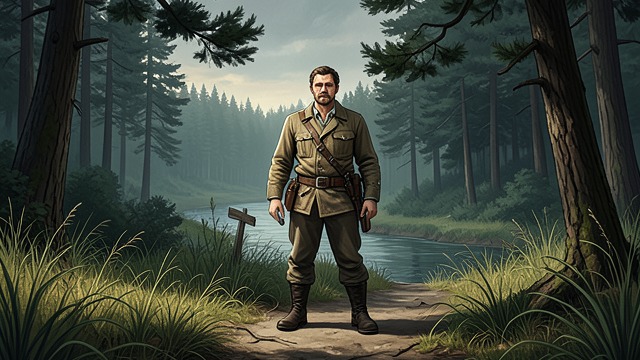
Past and Future in the Present
Two images of time
Shevek thinks of the past and future as part of the present through memory and intention. Takver initially imagines time more simply as a road one walks forward.
Agreement without sameness
Shevek translates the idea into Takver’s metaphor, and she recognizes what she has been doing through commitment. Their conversation joins abstract theory to the lived practice of fidelity.
The Circle and the Arrow
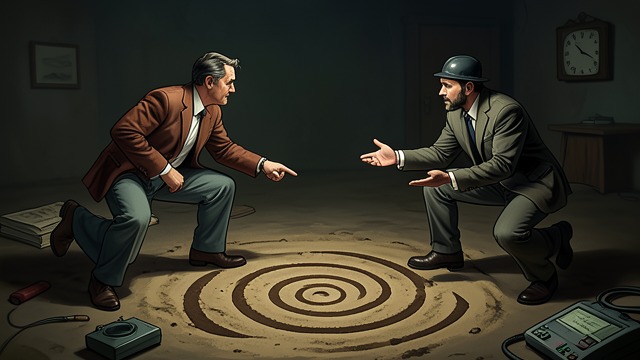
Becoming and Being
Two accounts of time
Shevek describes the arrow of time as change and the circle as recurring stability. Either perspective alone leaves out something essential about lived reality.
The difficulty of choosing both
His listeners want a simple answer or practical application, but Shevek argues for a model complex enough to include both. The scientific dilemma echoes the novel’s refusal to choose between individuality and community.
Promise Across Separation
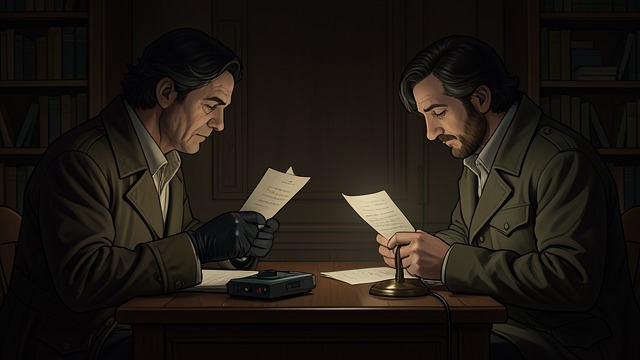
Loyalty Holds Time Together
Distance does not cancel commitment
Shevek and Takver live apart because each has necessary work to do. Their letters and intentions keep the relationship connected across the separation.
A promise remains active
Shevek understands fidelity not as ownership but as a freely chosen direction. The promise matters because either partner remains able to change course and yet continues to choose the bond.
Return Without Repetition
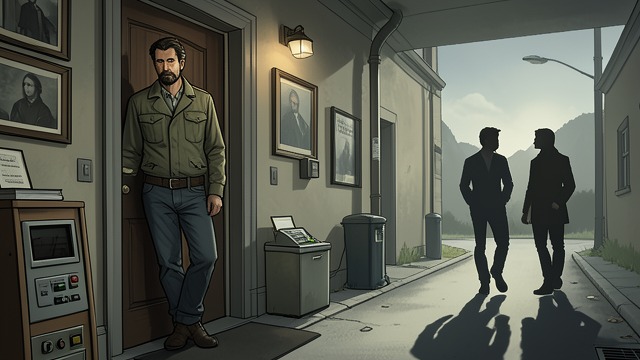
Home Is Changed by Travel
A return through experience
Shevek returns to the planet he left, but he does not expect to find it unchanged. The journey has made its failures and possibilities newly visible to him.
A future begins in return
The voyage does not close the story into a completed cycle. Shevek comes home with a new possibility of contact, while Ketho’s proposed landing begins another movement outward.
During Shevek’s childhood after his idea is dismissed
During Shevek and Takver’s early partnership
During Shevek’s discussion of physics at Vea’s party
During the famine separation from Takver and Sadik
Near the ending, as Shevek prepares to land on Anarres
